


Foraging on the Edge of the Arctic
The Arctic landscape of Greenland is often seen as barren—an expanse of ice and rock, where survival depends on the bounty of the sea. But those who know the land intimately understand that Greenland’s tundra, meadows, and fjord edges hold a quiet abundance. Beneath the short summer sun, the Arctic soil bursts into life, offering an array of edible plants, berries, and herbs that have sustained Indigenous communities for generations.

Seaweed in Greenlandic Cuisine
In Greenland’s harsh Arctic environment, where traditional agriculture is nearly impossible, the ocean has always been the primary source of nourishment. Fish, seal, whale, and other marine resources have long sustained Greenlandic communities, but one ingredient remains underappreciated despite its abundance and immense nutritional value: seaweed.

Embracing Hyper-Local Sourcing
In a world increasingly dominated by mass production and global supply chains, the simple act of sourcing food locally has become a powerful tool for rebuilding more resilient, sustainable communities.

Alberta’s Seven-Day Meal Plan
Enjoy this unique seven-day meal plan using ingredients found in Alberta.

Canadian Made
Sustainability starts at home. Find menus here made entirely by ingredients found in each Canadian province.

British Columbia Seven-Day Meal Plan
Enjoy this seven-day meal plan using only ingredients produced in British Columbia.

Reviving Inuit Throat Singing
The Arctic is alive with sound: the wind across the tundra, the cry of migrating birds, and the resonant voice of Inuit throat singing, or Katajjaq. For generations, Inuit women have engaged in this practice, exchanging breath and sound in a playful yet demanding competition.

Ali-Aye-Ligang: The Mising Community’s Harvest Festival of Food and Fellowship
Every February, when the first seeds of the season are pressed into the soil, the Mising people of Assam gather for Ali-Aye-Ligang, a spring harvest festival that is as much about community as it is about crops. The name itself carries the rhythm of the land: “Ali” for legumes, “Aye” for seed, and “Ligang” for the act of sowing. Together, the words mark a turning point in the agricultural calendar—an announcement that it is time to begin planting.

You Had Me at Ube
As a child, I had a hard time eating. I had to eat, but I didn’t like it, except for sweets.
Breakfast and lunch were easy.
In elementary school, lunch was always sandwiches. Usually deli meat, but sometimes liver spread, or (bonus) peanut butter and jam or Nutella. Once, I almost choked on a piece of ham in sixth grade because it was so big and my dad hadn’t cut the fat off.
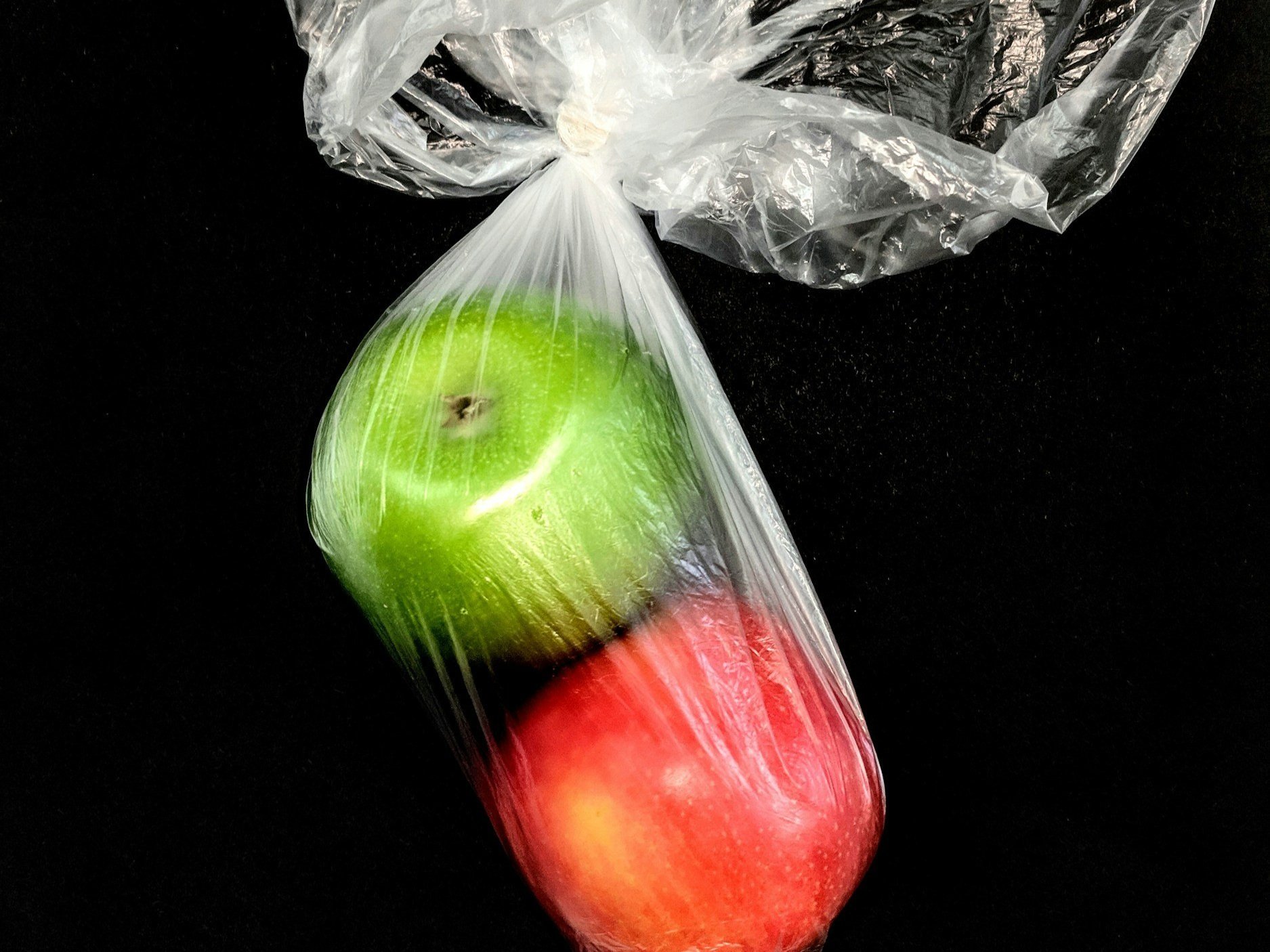
Reducing or Eliminating Plastic
In today's world, plastic is an essential component of daily life. From food packaging and storage to household items and personal care products, plastic has become deeply ingrained in modern living.

Not the End of the World: How We Can Be the First Generation to Build a Sustainable Planet
In a world grappling with the escalating impacts of climate change, environmental degradation, and social inequality, Hannah Ritchie's Not the End of the World: How We Can Be the First Generation to Build a Sustainable Planet offers a hopeful yet realistic perspective on building a sustainable future. Ritchie's work is a compelling guide for individuals, policymakers, and organizations seeking actionable solutions to the urgent environmental challenges we face. With a balance of optimism and evidence-based research, this book presents a nuanced approach to sustainability, presenting a future where collaboration, innovation, and community effort drive meaningful change.

Sustainable Kitchen Habits
Each new year presents a fresh opportunity for reflection and renewal. As individuals, we seek to adopt healthier, more sustainable practices that align with our personal values and contribute to a healthier planet. In the kitchen, one of the most impactful and achievable goals is to reduce food waste. Food waste not only contributes to environmental degradation and the squandering of resources but also impacts our household budgets. By embracing sustainable kitchen habits, you can create a more efficient and eco-friendly approach to how you purchase, store, and utilize food.

The Science of Soil
Soil is more than just dirt—it’s a living ecosystem and the foundation of any successful garden. Healthy soil ensures plants receive the nutrients, water, and support they need to thrive. While many gardeners focus on planting and harvesting, the secret to a bountiful spring lies in winter soil preparation.

Sprouting Seeds
Growing your own sprouts and microgreens at home is not only rewarding but also cost-effective. With minimal investment, you can enjoy fresh, nutrient-rich foods right from your kitchen. You can often sacrifice a small table or section of countertop to keep yourself fresh in greens.

Book Review: Rooted by Lyanda Lynn Haupt
Lyanda Lynn Haupt’s Rooted: Life at the Crossroads of Science, Nature, and Spirit is a profoundly moving meditation on our relationship with the natural world. With a blend of lyrical prose, ecological insight, and personal reflection, Haupt offers readers a vision of a life grounded — both literally and metaphorically — in the rhythms of the Earth.

Book Review: The Place of Tides by James Rebanks
James Rebanks’ The Place of Tides is an evocative journey into the rugged beauty of Norway’s coastal landscapes, interwoven with themes of solitude, renewal, and humanity’s deep relationship with nature.
Best known for his chronicles of life as a shepherd in the Lake District, Rebanks ventures further afield in this book, immersing himself in the rhythms of an island and its eider ducks. Yet, the heart of the book is unmistakably Rebanks: a thoughtful and deeply personal meditation on how the land shapes us and how we, in turn, shape it.

Book Review: Entangled Life by Merlin Sheldrake
Merlin Sheldrake’s Entangled Life: How Fungi Make Our Worlds, Change Our Minds, and Shape Our Futures is an engaging exploration of an often-overlooked kingdom that underpins the very fabric of life on Earth.
With a rare combination of scientific rigor and literary grace, Sheldrake unveils the fascinating roles fungi play in ecosystems, economies, and even human consciousness. This book is not just a study of fungi but an invitation to reconsider our understanding of life itself.

Book Review: The Serviceberry by Robin Wall Kimmerer
In The Serviceberry: An Economy of Abundance, Robin Wall Kimmerer offers a profoundly insightful exploration of how the principles of reciprocity and generosity — so deeply embedded in the natural world — can inspire a reimagining of our human economies.
Through her characteristic blend of scientific inquiry, indigenous wisdom, and lyrical storytelling, Kimmerer weaves together a vision of abundance that directly challenges the scarcity-driven narratives underpinning modern capitalism.

Permaculture Zoning
Transforming your backyard into a thriving permaculture oasis begins with zoning — a fundamental principle of permaculture design. Zoning involves organizing your space based on the level of care and attention each area requires. By visualizing your yard as a series of concentric circles, you can create an efficient, sustainable layout that promotes productivity and harmony.

How to Create the Perfect Winter Brunch Menu
Winter is the season for cozy gatherings, and there’s no better way to celebrate a chilly weekend morning or a holiday gathering than with a delicious, comforting brunch. The perfect winter brunch menu combines the warmth and indulgence of seasonal flavors with the coziness of good company.