


The Origins of Superfoods
Superfoods are often touted as nutritional powerhouses that offer extraordinary health benefits, but the term “superfood” is more of a marketing concept than a scientific classification. Still, many superfoods are rooted in history as ancient medicines, giving the claims some validity.

The Rise of Street Food
Street food is more than just a meal on the go; it represents a vibrant aspect of global culinary culture, reflecting the diversity and creativity of different regions.

Gardening for Wildlife
Creating a garden that supports wildlife is a rewarding way to enhance biodiversity and contribute to the health of the environment.
By designing your garden with the needs of birds, bees, and beneficial insects in mind, you can create a thriving ecosystem right in your backyard.

DIY Vertical Gardens
In today’s urban environments, space is often at a premium, making it challenging to enjoy the benefits of gardening. However, with the rise of vertical gardens, small spaces can be transformed into lush green oases.

Cinnamon Spice in Global Cuisine
Cinnamon spice has been a staple in global cuisine for thousands of years, offering its warm, aromatic flavor to both sweet and savory dishes. Originating from the bark of the Cinnamon tree, cinnamon is widely used in cooking across various cultures, from the fragrant kitchens of the Middle East to the spiced desserts of America

Baking as a Form of Storytelling
Baking is more than a culinary practice; it’s a form of storytelling that reveals cultural history, migration patterns, and personal heritage.
Each loaf of bread, pastry, or baked good carries with it tales of tradition, innovation, and adaptation, reflecting the diverse influences that have shaped our culinary world.

Simple Living
Growing environmental concerns and increasing costs of living make the principles of simple living and sustainability critical in our modern lives.

The Power of Ritual
Food plays a central role in human rituals and celebrations, acting as a catalyst for communal bonding and cultural continuity. Across diverse cultures, communal meals and culinary traditions are integral to various ceremonies, from weddings and harvest festivals to religious observances.

Food as Identity
Food is a profound element of personal and cultural identity. Across the globe, culinary traditions and practices shape how people perceive themselves and their heritage. From the recipes passed down through generations to the communal meals that foster a sense of belonging, food is intricately linked to our sense of identity.

The Lost Art of Foraging
Foraging, the practice of gathering wild plants, fruits, and herbs from natural environments, has been a cornerstone of human survival and culture for millennia.

Farm-to-Table
In a time where convenience often takes precedence over quality, the farm-to-table movement has emerged as a powerful reminder of the intrinsic connection between food, land, and community.

The Role of Food in Healing
Across cultures and throughout history, food has played a central role in healing, both physically and spiritually.
From the medicinal uses of herbs in Indigenous traditions to the balanced, holistic approach of Ayurvedic practices, ancient knowledge surrounding the healing power of food is rich and varied.

Eating with the Seasons
For centuries, before the advent of refrigeration, global supply chains, and industrial farming, people relied on what the land provided during each season.

Eating with Intention: The Path to Mental Health and a Sustainable Lifestyle
Mindful eating is the practice of bringing full awareness to the act of eating. Instead of rushing through meals or eating on autopilot, this approach encourages slowing down and noticing taste, texture, and aroma. It is rooted in mindfulness traditions that emphasize presence and intentionality in everyday life.

Intuitive Eating and Its Role in a Sustainable Lifestyle
In recent years, the concept of intuitive eating has gained traction as a holistic approach to nourishing the body and mind.
Rooted in principles of self-care, body awareness, and mindful eating, intuitive eating offers a counterpoint to the diet culture that often emphasizes restriction, control, and external rules.

The Importance of Mycorrhizal Fungi for Healthy Crops and Sustainability
In the vast and intricate web of life beneath our feet, mycorrhizal fungi stand out as one of the most vital yet often overlooked contributors to plant health, soil fertility, and sustainability.

Baker’s Dozen: 13 ways to help build a sustainable community
Without community, the task of building a sustainable future can feel overwhelming. While individual households can make important changes, true resilience comes from collective action. Communities that share resources, knowledge, and responsibility are better equipped to withstand environmental and social challenges.

What is the slow food movement?
The Slow Food Movement began in Italy in the mid-1980s as a direct response to the rapid spread of fast food chains and the cultural homogenization they represented

Sourdough Symbiosis
Sourdough bread appears across many food traditions and regions. Methods vary by grain, climate, household practice, and access to fuel. Fermentation relies on ongoing interaction between flour, water, microorganisms, time, and care. These interactions form systems that sustain bread making without fixed inputs or standardized outcomes.
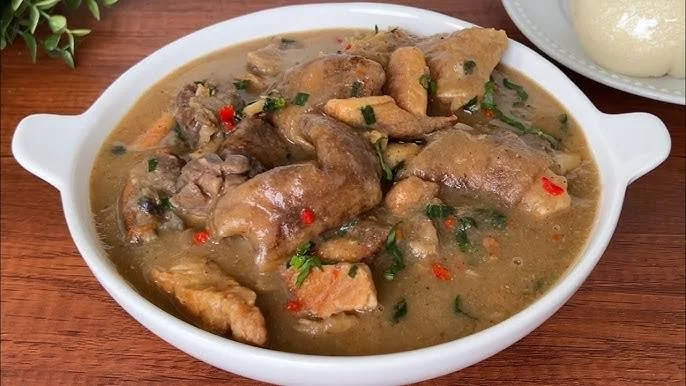
Afia Efere: Nigerian White Soup
White soup, also known as afia efere, originated from the Efik tribe in southern part of Nigeria, which is the culture of the Cross River State Indigenes.
In 1987, the state was divided into two and the other part is now called Akwa Ibom State. The Efik tribe is known for their interesting and rich cultural heritage when it comes to cooking, dancing, language and dress.