

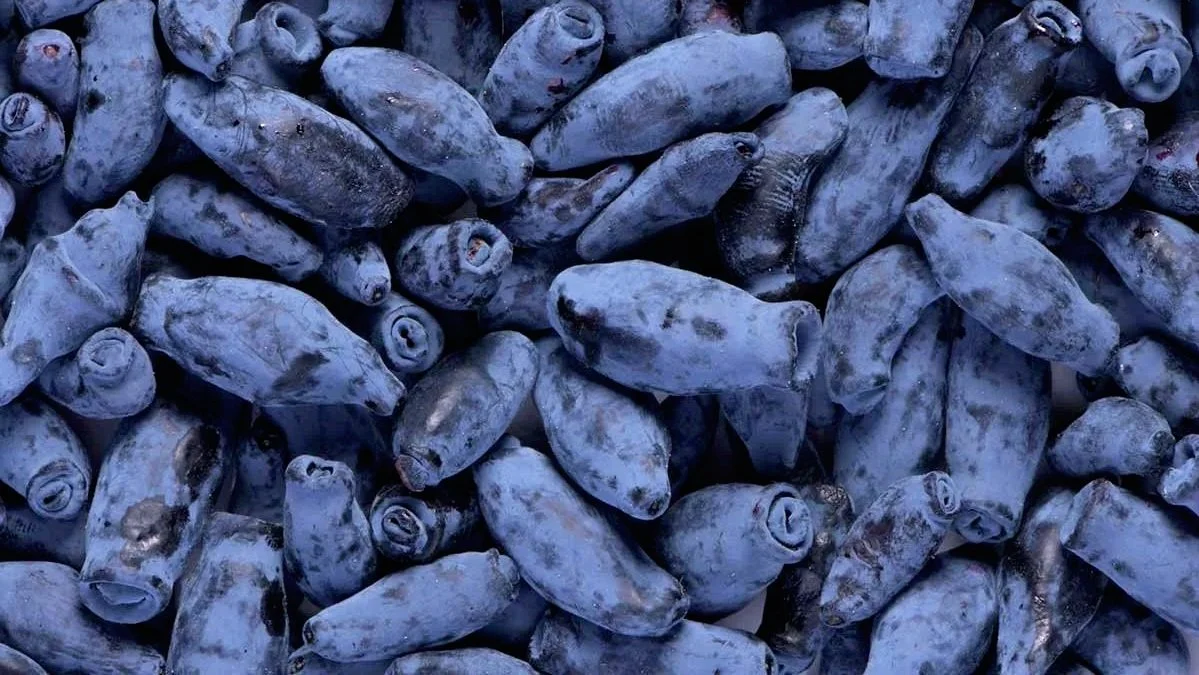
Haskaps on the Canadian prairies
Haskaps have long histories across northern regions, including the Canadian prairies. Knowledge of these early berries varies by place, Nation, and seasonal practice, shaped through observation, gathering, and use over time. Indigenous knowledge systems form the foundation of how haskaps have been understood, named, and used within broader food landscapes, a principle reflected in Indigenous-led research and knowledge-sharing initiatives such as the Canadian Indigenous Knowledge Network.
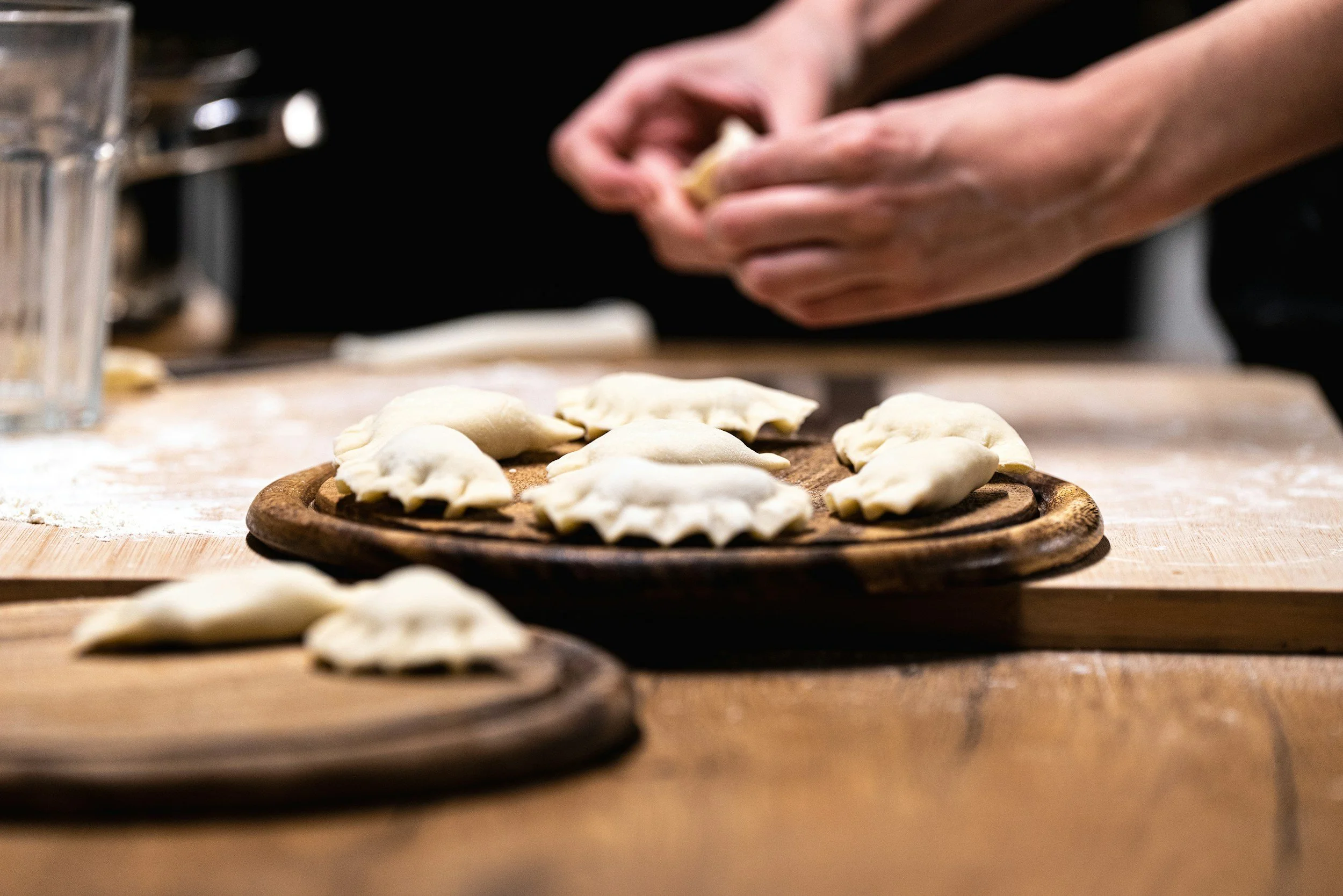
Ukrainian Food Heritage on the Prairies
Ukrainian settlement on the Canadian Prairies spans multiple regions, migration waves, and generations. Families arrived with food knowledge shaped by village traditions, seasonal rhythms, and agricultural practices carried across distance. Over time, these foodways adapted to prairie land, climate, and available resources. Community organizations such as the Ukrainian Canadian Congress document the breadth and continuity of this settlement across Canada.
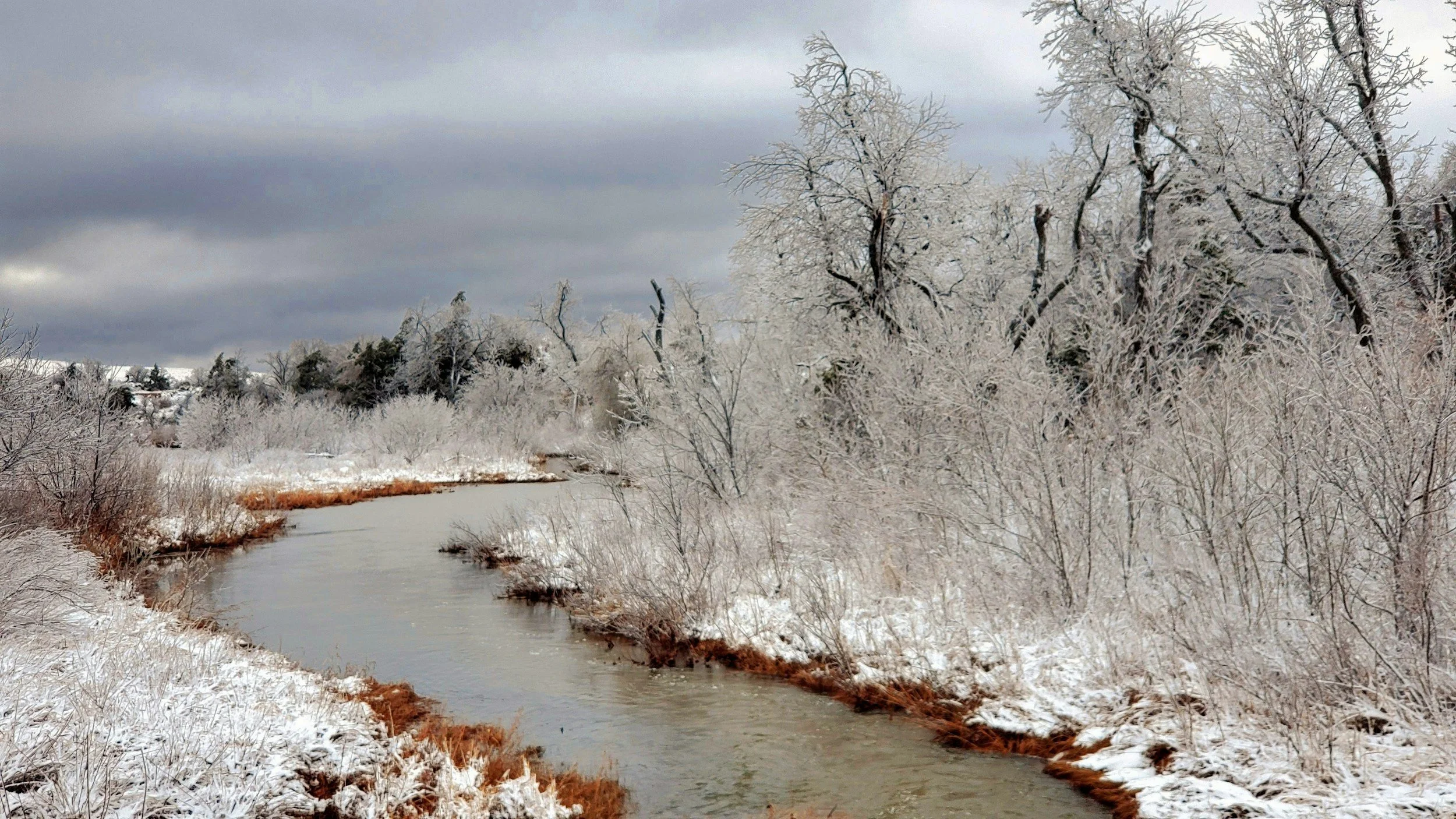
Indigenous Trade Networks on the Prairies
The Canadian prairies encompasses many Indigenous Nations, each with distinct histories, territories, and systems of trade. For thousands of years, these Nations maintained exchange networks shaped by geography, season, and relationship. What follows is not a comprehensive account of those systems, nor does it attempt to speak for any single Nation or community.
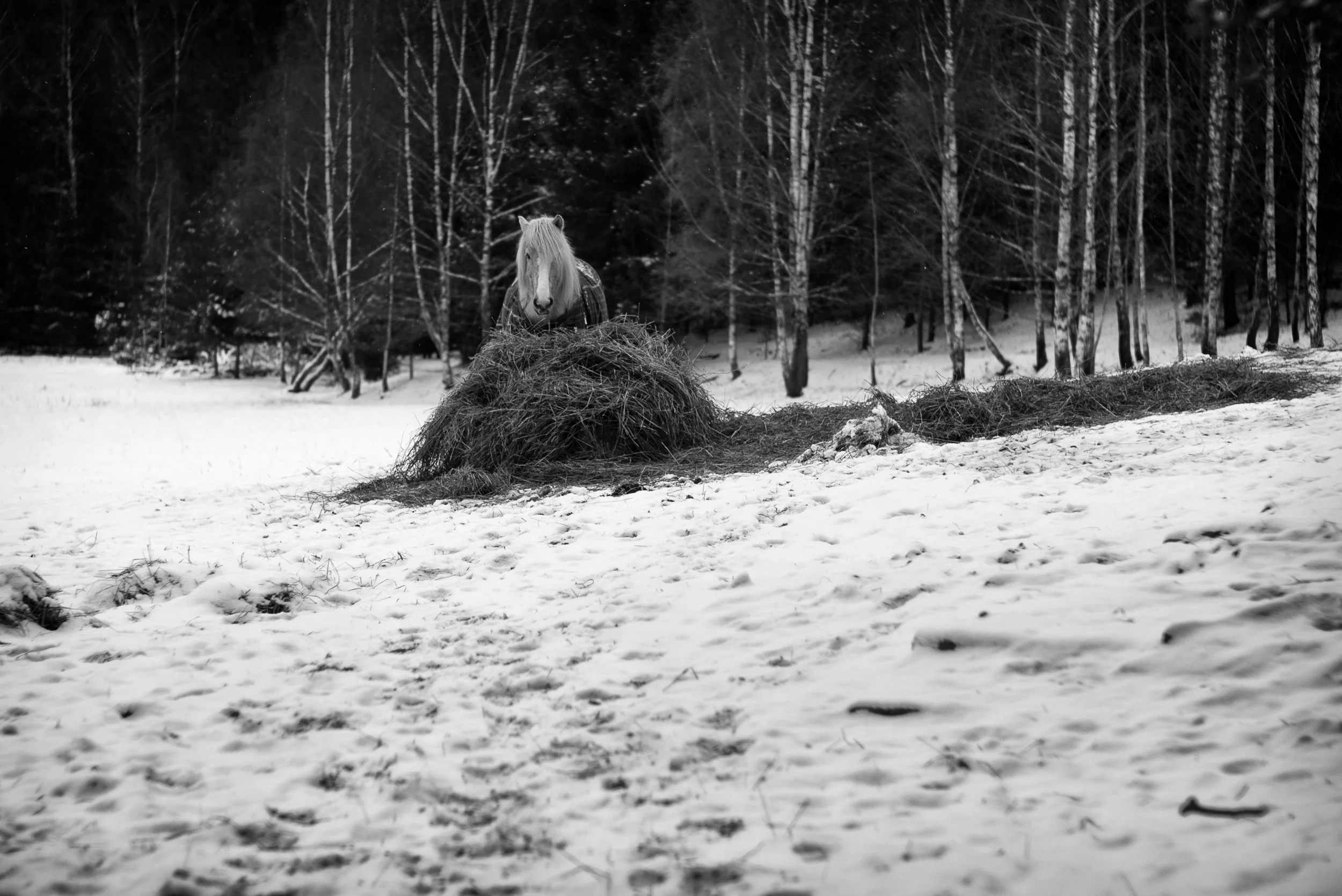
What “Seasonal Eating” Means in Edmonton Winters
Winter in Edmonton is long and decisive. Snow settles early and remains for months. Daylight shortens. Temperatures drop well below freezing, and the ground becomes inaccessible for much of the year. These conditions shape daily life in ways that are both practical and familiar.

Natto: Japan’s Stickiest Superfood and the Science Behind It
Natto is a traditional Japanese food made by fermenting cooked soybeans with Bacillus subtilis var. natto. Sticky, stringy, and famously pungent, it’s a love-it-or-hate-it food — but also one of the world’s most scientifically intriguing ferments.

Preservation as Protest: Canning, Pickling, and Fermenting in Hard Times
Preservation has always been more than food science — it was survival strategy, cultural safeguard, and sometimes an act of quiet rebellion. Before refrigeration, communities relied on salting, drying, fermenting, and storing underground to extend the life of seasonal harvests. These methods not only ensured food security but also created culinary traditions that shaped identities. To preserve was to prepare for scarcity, to protect a household, and to assert resilience in the face of unpredictability.

Book Review: Monsoon
Asma Khan’s Monsoon: Delicious Indian Recipes for Every Day and Season is a vibrant exploration of Indian culinary traditions, organized not by courses but by the six seasons of the subcontinent and the six Ayurvedic tastes.

Not the End of the World: How We Can Be the First Generation to Build a Sustainable Planet
In a world grappling with the escalating impacts of climate change, environmental degradation, and social inequality, Hannah Ritchie's Not the End of the World: How We Can Be the First Generation to Build a Sustainable Planet offers a hopeful yet realistic perspective on building a sustainable future. Ritchie's work is a compelling guide for individuals, policymakers, and organizations seeking actionable solutions to the urgent environmental challenges we face. With a balance of optimism and evidence-based research, this book presents a nuanced approach to sustainability, presenting a future where collaboration, innovation, and community effort drive meaningful change.

Book Review: Rooted by Lyanda Lynn Haupt
Lyanda Lynn Haupt’s Rooted: Life at the Crossroads of Science, Nature, and Spirit is a profoundly moving meditation on our relationship with the natural world. With a blend of lyrical prose, ecological insight, and personal reflection, Haupt offers readers a vision of a life grounded — both literally and metaphorically — in the rhythms of the Earth.

Book Review: The Place of Tides by James Rebanks
James Rebanks’ The Place of Tides is an evocative journey into the rugged beauty of Norway’s coastal landscapes, interwoven with themes of solitude, renewal, and humanity’s deep relationship with nature.
Best known for his chronicles of life as a shepherd in the Lake District, Rebanks ventures further afield in this book, immersing himself in the rhythms of an island and its eider ducks. Yet, the heart of the book is unmistakably Rebanks: a thoughtful and deeply personal meditation on how the land shapes us and how we, in turn, shape it.

Book Review: Entangled Life by Merlin Sheldrake
Merlin Sheldrake’s Entangled Life: How Fungi Make Our Worlds, Change Our Minds, and Shape Our Futures is an engaging exploration of an often-overlooked kingdom that underpins the very fabric of life on Earth.
With a rare combination of scientific rigor and literary grace, Sheldrake unveils the fascinating roles fungi play in ecosystems, economies, and even human consciousness. This book is not just a study of fungi but an invitation to reconsider our understanding of life itself.

Book Review: The Serviceberry by Robin Wall Kimmerer
In The Serviceberry: An Economy of Abundance, Robin Wall Kimmerer offers a profoundly insightful exploration of how the principles of reciprocity and generosity — so deeply embedded in the natural world — can inspire a reimagining of our human economies.
Through her characteristic blend of scientific inquiry, indigenous wisdom, and lyrical storytelling, Kimmerer weaves together a vision of abundance that directly challenges the scarcity-driven narratives underpinning modern capitalism.

Global Perspectives on Seasonal Transitions
As the seasons shift, so too does the rhythm of life. Across the globe, people mark these transitions with traditions that reflect their connection to nature’s cycles.
From planting seeds in the spring to celebrating abundance during harvest, seasonal changes have always been a universal constant — yet they are interpreted through a lens as diverse as humanity itself.

The Role of Food in Healing
Across cultures and throughout history, food has played a central role in healing, both physically and spiritually.
From the medicinal uses of herbs in Indigenous traditions to the balanced, holistic approach of Ayurvedic practices, ancient knowledge surrounding the healing power of food is rich and varied.

Sourdough Symbiosis
Sourdough bread appears across many food traditions and regions. Methods vary by grain, climate, household practice, and access to fuel. Fermentation relies on ongoing interaction between flour, water, microorganisms, time, and care. These interactions form systems that sustain bread making without fixed inputs or standardized outcomes.

The Enduring Impact of Braiding Sweetgrass
Robin Wall Kimmerer’s Braiding Sweetgrass: Indigenous Wisdom, Scientific Knowledge, and the Teachings of Plants has, since its publication in 2013, transcended the boundaries of traditional environmental literature to become a cornerstone in conversations about ecology, sustainability, and the human relationship with the natural world.
A blend of memoir, scientific insight, and Indigenous storytelling, the book offers profound lessons that ripple far beyond its pages, shaping both individual lives and collective movements.