

Indigenous Trade Networks on the Prairies
Winter Routes, Food Systems, and Exchange
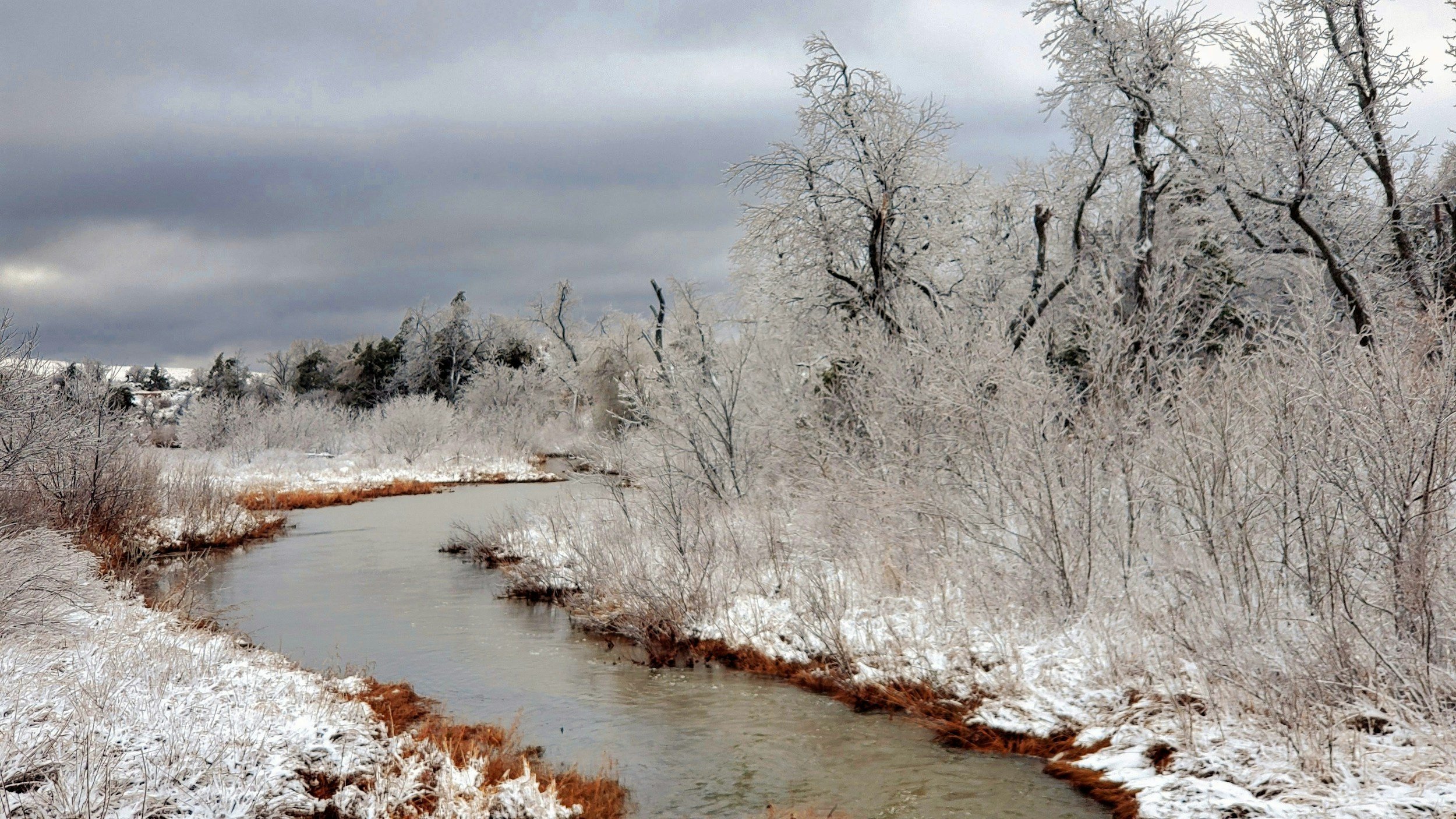
The Canadian prairies encompasses many Indigenous Nations, each with distinct histories, territories, and systems of trade. For thousands of years, these Nations maintained exchange networks shaped by geography, season, and relationship. What follows is not a comprehensive account of those systems, nor does it attempt to speak for any single Nation or community.
This overview is offered as a point of orientation rather than authority. Recipes & Roots presents this material to situate food and trade within the realities of prairie life, with particular attention to winter conditions. Readers are encouraged to seek out Nation-specific histories, local archives, and Indigenous-led sources to learn more about the trade traditions connected to the lands where they live, including tools such as Native Land Digital, which centres Indigenous perspectives on territory and Nationhood.
Introduction: Trade as Relationship
Trade formed an integral part of Indigenous life on the prairies long before European arrival. Exchange extended beyond the movement of goods and operated within systems of kinship, diplomacy, and shared responsibility. Through trade, communities maintained relationships, coordinated seasonal movement, and supported survival across large territories.
These exchange networks developed over generations and reflected knowledge of land and season. Trade followed established routes and gathering places, adjusting as conditions changed throughout the year. Food, materials, and tools moved alongside obligations and alliances, reinforcing social ties as well as material exchange.
Winter shaped how these systems functioned. Frozen rivers and hardened trails altered routes and timing, while the goods exchanged shifted toward items suited to cold travel and storage. Seasonal movement continued, guided by preparation and shared knowledge that allowed exchange to persist through extended winter months.
Indigenous Trade Networks Before Contact
Long-Distance Exchange on the Plains
Long before European arrival, Indigenous Nations on the prairies participated in exchange systems that linked communities across distance and environment. Archaeological and oral histories record the movement of materials that could not be sourced locally, indicating established trade relationships maintained over time, as documented by institutions such as the Canadian Museum of History.
Stone used for tools traveled far from its points of origin. Ceremonial items moved between communities. Food products, especially those preserved through drying or rendering, circulated according to season and need. These exchanges supported daily life and social responsibilities.
Trade routes extended across grasslands and into the boreal forest, following river systems that connected ecological zones. Overland trails linked camps, meeting places, and seasonal sites. Through these routes, goods adapted to one environment moved into another, allowing access beyond local conditions.
Geography of Prairie Trade Routes
Rivers, Trails, and Seasonal Corridors
Trade on the prairies moved through landscapes that shaped direction and timing. River systems supported movement between regions, linking grasslands to forested areas. The Saskatchewan River system and other waterways connected communities across wide territories, forming corridors later documented in Prairie-based reference works such as the Encyclopedia of Saskatchewan.
Overland trails extended these networks beyond rivers. Repeated use formed paths suited to travel on foot, by sled, and with animals. Camps, crossings, and gathering points marked these routes, maintained through shared knowledge rather than fixed borders.
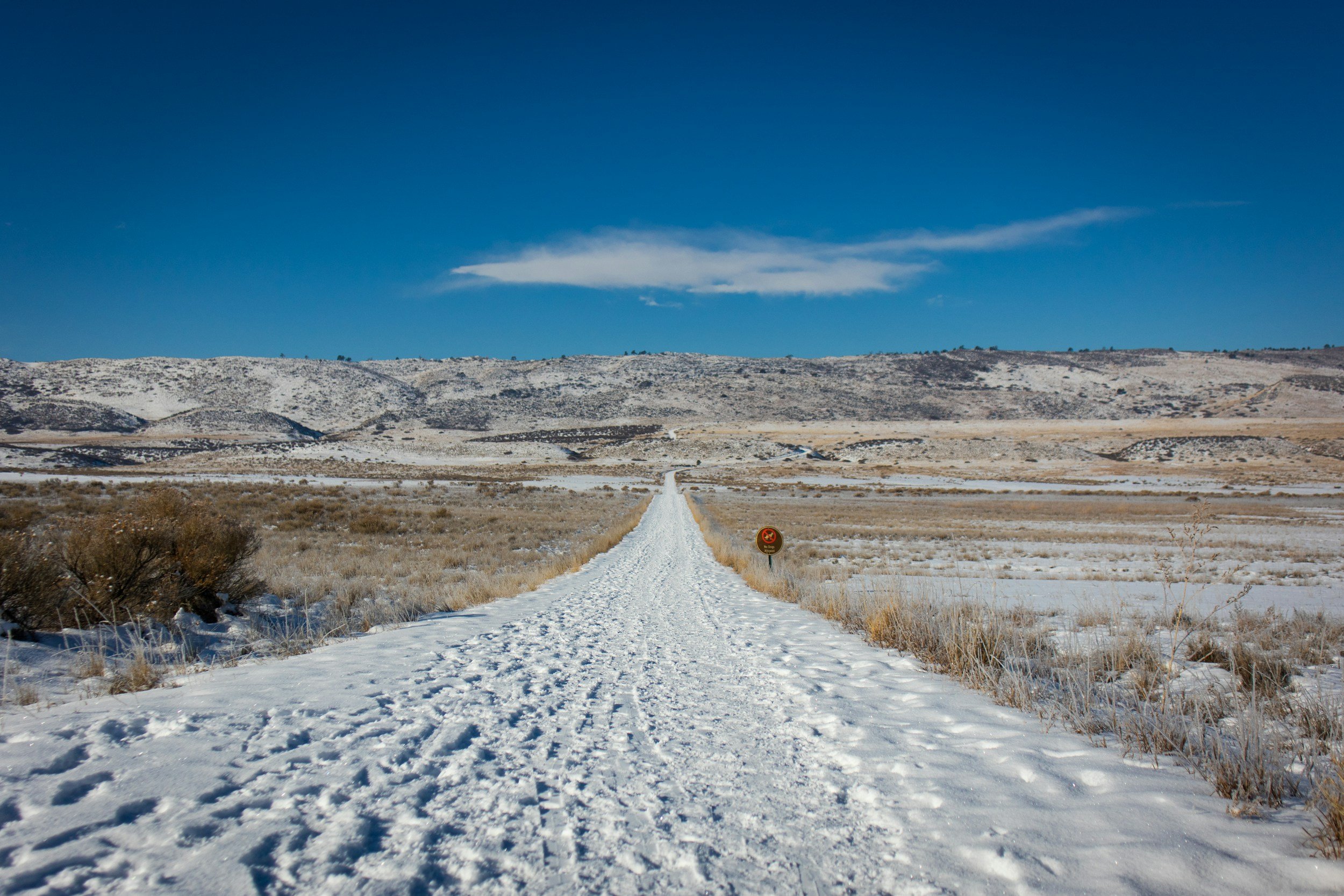
The season influenced route use. In warmer months, waterways supported canoe travel and access to fishing and harvesting sites. In winter, frozen rivers created stable travel surfaces, while snow-covered ground supported movement along known trails. These conditions shaped distance, pace, and the selection of goods carried.
These routes connected prairies, forest, and river corridors into a linked system. Trade followed seasonal pathways shaped by weather, surface conditions, and available resources throughout the year.
Winter Trade on the Prairies
Movement in a Cold Season
Winter shaped the timing and character of trade across the prairies. Exchange continued during cold months under conditions that affected travel, storage, and preparation. Planning for winter trade began earlier in the year, with food and materials prepared to endure long periods without growth.
Frozen rivers supported movement between regions, while snow-covered routes linked wintering sites and meeting places. These conditions guided route selection and influenced the pace of exchange. Goods moved during winter reflected the demands of transport over ice and snow.
Preserved foods such as dried meat and rendered fat supported travel and survival. Hides, prepared skins, and stored plant foods moved alongside tools and materials. Items exchanged during winter were chosen for durability and weight, shaped by the demands of cold travel.
Winter exchange also supported redistribution. Trade allowed access to food and materials across regions when harvesting was limited, maintaining connections between communities during extended cold seasons.
Food as Trade Infrastructure
Preserved Foods and Mobility
Food played a central role in sustaining trade across the prairies, especially in winter. Preservation allowed food to function beyond immediate consumption, supporting movement, exchange, and redistribution. Indigenous-led organizations such as the Indigenous Food Systems Network document the continued importance of these practices within broader food systems.
Dried meats, rendered fats, and foods such as pemmican provided nourishment in compact form. These foods could be carried over distance without spoilage and prepared with limited resources. Their reliability supported winter movement when resupply was uncertain.
Preserved foods also supported exchange between regions. Foods produced in one environment moved into another, extending access beyond local conditions. Trade allowed seasonal abundance to support households during winter months.
In this way, preserved food functioned as infrastructure. Food prepared earlier in the year carried labour forward, enabling travel and exchange through seasons shaped by cold and limited availability.
Métis Trade Economies and Winter Transport
Movement Across Established Routes
Métis communities played a central role in prairie trade networks, drawing on knowledge of routes, seasons, and transport developed over generations. Their mobility supported the movement of food and goods across wide distances, including during winter months.
Red River carts became part of these systems, carrying preserved foods, hides, and materials between regions. Information preserved by Métis-led institutions such as the Louis Riel Institute documents the role of these carts in seasonal movement and trade.
Seasonal timing shaped their use. In winter, frozen ground and snow-covered trails supported movement along routes difficult to traverse at other times. Winter transport relied on planning and familiarity with landscape. Foods carried during these journeys supported both travel and exchange, linking households and communities across regions.
European Trade and the Reshaping of Indigenous Exchange
European traders entered existing Indigenous trade networks rather than creating new ones. Established routes and seasonal patterns guided the movement of goods between regions and trading posts.
As fur trade systems expanded, winter routes became central to exchange. Preserved foods supported travel between inland regions and posts during cold months. Indigenous knowledge of winter travel and storage shaped how trade functioned across distance, as recognized in educational materials from organizations such as the Treaty Relations Commission of Manitoba.
Food production remained essential. Preserved foods supplied traders and transport crews, linking household labour to regional trade systems. Over time, expanded trade placed pressure on food systems and animal populations, altering access to land and resources.
Winter Trade Under Colonial Constraint
As colonial systems expanded, Indigenous trade continued under changing conditions. Access to routes and resources became regulated, yet winter exchange remained part of survival and connection.
Preserved foods supported movement between communities and trading centres during winter. Trade redistributed supplies across regions affected unevenly by disruption and restriction.
Earlier practices of preparation and storage continued to support households through extended cold seasons. Trade extended that support beyond local boundaries, maintaining access during winter months.
Winter movement also maintained relationships. Exchange along familiar routes reinforced social connections alongside material needs.
Continuities and Living Knowledge
Knowledge of winter trade routes, preservation, and seasonal movement persisted through generations. Winter continues to shape how food is stored, shared, and accessed across the prairies.
Preservation practices remain central to household food security, carrying labour forward from warmer seasons. Routes and corridors shaped by earlier movement patterns continue to influence modern travel and supply systems.
Trade remains relational. Exchange supports connection between households and regions, maintaining balance across varied conditions shaped by season and place.
Trade as Social Practice and Responsibility
Trade functioned as a social practice grounded in reciprocity and responsibility. Winter exchange supported redistribution of food and materials, sustaining households through periods of uneven access.
Seasonal gatherings and movement reinforced knowledge of routes and timing. Trade linked food, travel, and community into a shared system shaped by preparation and seasonal awareness.
Winter Trade as Adaptation and Continuity
Winter has long shaped how trade operates on the prairies. Routes followed frozen rivers and snow-packed trails. Foods prepared earlier in the year supported movement and exchange through extended cold seasons.
Indigenous trade systems relied on preparation, preservation, and shared knowledge. Exchange supported survival and connection across landscapes where winter remained a defining condition. Trade functioned as a way of living with season, sustained through food, routes, and relationship.
Further Reading and Learning
This overview offers a starting point for understanding Indigenous trade networks on the Prairies and the role of winter routes in sustaining exchange. Readers are encouraged to explore Nation-specific histories, Indigenous-led research, local archives, and cultural centres connected to the lands where they live.
Institutions such as University of Alberta Indigenous Studies and the Glenbow Western Research Centre provide access to regionally grounded materials that reflect lived knowledge and historical documentation.
Learning about these systems benefits from attention to place and season. Winter trade took different forms across the Prairies, shaped by landscape and relationship. Sources rooted in those contexts support deeper understanding of how these systems continue to matter.




Haskaps have long histories across northern regions, including the Canadian prairies. Knowledge of these early berries varies by place, Nation, and seasonal practice, shaped through observation, gathering, and use over time. Indigenous knowledge systems form the foundation of how haskaps have been understood, named, and used within broader food landscapes, a principle reflected in Indigenous-led research and knowledge-sharing initiatives such as the Canadian Indigenous Knowledge Network.