

Ukrainian Food Heritage on the Prairies
Settlement, Survival, and Continuity Through Food
Ukrainian settlement on the Canadian Prairies spans multiple regions, migration waves, and generations. Families arrived with food knowledge shaped by village traditions, seasonal rhythms, and agricultural practices carried across distance. Over time, these foodways adapted to prairie land, climate, and available resources. Community organizations such as the Ukrainian Canadian Congress document the breadth and continuity of this settlement across Canada.
What follows is an overview rather than a complete account. Ukrainian food heritage on the prairies varies by place, period, and household, shaped by differing conditions of settlement and work. This article approaches food as lived practice and historical record, rooted in daily preparation rather than fixed tradition.
Recipes & Roots presents this material to situate Ukrainian prairie foodways within the realities of migration, farming, and long winters. Readers are encouraged to seek out local histories, community archives, and family records to learn more about the food traditions connected to the places where they live.
Introduction: Food as Settlement Knowledge
Ukrainian migration to the Prairies in the late nineteenth and early twentieth centuries involved more than relocation. Families carried practical knowledge of food production, preservation, and preparation developed in agrarian communities shaped by season and scarcity. This knowledge supported settlement in unfamiliar landscapes and guided early household organization.
Cooking and food preparation provided continuity during resettlement. Familiar methods for working with grain, dairy, vegetables, and preserved foods supported daily life while households adapted to Prairie soils and climate. Meals reflected inherited practices applied to new conditions through routine use.
Winter shaped daily food use. Long cold periods limited access to fresh produce and increased reliance on stored foods prepared earlier in the year. Baking schedules, preservation work, and meal planning aligned with available fuel, labour, and time. Food functioned as settlement knowledge, connecting migration history to daily practice across seasons.
Why Ukrainian Families Immigrated to the Prairies
Ukrainian immigration to Canada occurred in several waves beginning in the late nineteenth century. Many families came from regions under Austro-Hungarian and later Russian control, where access to land and economic security was limited. Small-scale farming households faced land shortages, high taxes, and restricted opportunities to sustain family livelihoods. These patterns are documented by the Canadian Museum of Immigration at Pier 21.
The Canadian Prairies were promoted during this period as sites of agricultural settlement. Government campaigns emphasized the availability of farmland suited to grain production. For families with agricultural experience, land ownership carried practical significance tied to household survival and continuity.
Migration decisions were shaped by material conditions. Families assessed soil quality, climate, distance, and existing community networks. Letters sent back to Europe described crop potential, growing seasons, and daily routines, supporting chain migration that brought relatives and neighbours to the same regions.
Food knowledge formed part of this movement. Familiar systems of grain cultivation, dairy work, vegetable storage, and preservation aligned with Prairie agriculture and long winters. Immigration to the Prairies was tied to land, labour, and the capacity to feed households across seasons.

Migration and Agricultural Foundations
Bringing Foodways Across Distance
Ukrainian settlers arrived on the Prairies with agricultural experience shaped by household farming and seasonal labour. Knowledge of grain cultivation, dairy work, vegetable growing, and preservation supported early settlement. These practices provided structure during the first years of homesteading, a history preserved by institutions such as the Ukrainian Canadian Museum of Alberta.
Grain formed a central foundation. Wheat, rye, and barley aligned with prairie soils and climate, allowing families to apply existing farming knowledge to new land. Kitchen gardens supplied cabbage, potatoes, beets, and onions during the growing season. Surplus production supported preservation work later in the year.
Livestock contributed to household food systems. Cows provided milk for butter, sour cream, and cheese. Chickens supplied eggs and meat. These foods reduced reliance on purchased goods and supported diets during periods of limited market access. Farming routines followed seasonal cycles shaped by planting, harvest, and preparation for winter.
Agricultural work extended beyond fields. Foodways carried across distance included milling grain, baking bread, fermenting vegetables, and storing root crops. These practices allowed households to sustain themselves across seasons, connecting inherited knowledge to Prairie conditions through daily labour.
Prairie Climate and Seasonal Adjustment
Eating Through Long Winters
The Prairie climate shaped daily food use during winter. Long cold seasons limited access to fresh produce and narrowed the range of foods available from the land. Households organized meals around what could be stored, preserved, or produced indoors once growing seasons ended.
Root vegetables such as potatoes and beets formed a steady base for winter meals. Flour, dairy products, and preserved meats provided structure when gardens lay dormant. Cooking schedules aligned with available fuel and daylight, shaping when baking and preparation occurred.
Winter food use reflected planning carried out earlier in the year. Harvesting, preservation, and storage determined what remained available through months of snow and frozen ground. Meals drew on food prepared during warmer seasons, linking winter eating to prior labour.
Seasonal adjustment varied by household. Land quality, access to livestock, family size, and proximity to towns shaped daily food use. Foodways shifted over time while remaining shaped by climate and storage capacity.
Food Preservation as Household Infrastructure
Pantries, Cellars, and Storage
Food preservation formed a central part of household organization on the prairies. Work completed during warmer months extended food availability into winter and shaped daily meals long after gardens and fields ceased production. Historic preservation practices are interpreted at sites such as the Ukrainian Cultural Heritage Village.
Canning, fermenting, drying, and cold storage supported this system. Vegetables such as cabbage and cucumbers were preserved through fermentation and pickling. Fruits were canned or dried when available. Root cellars stored potatoes, beets, and other crops suited to cool conditions.
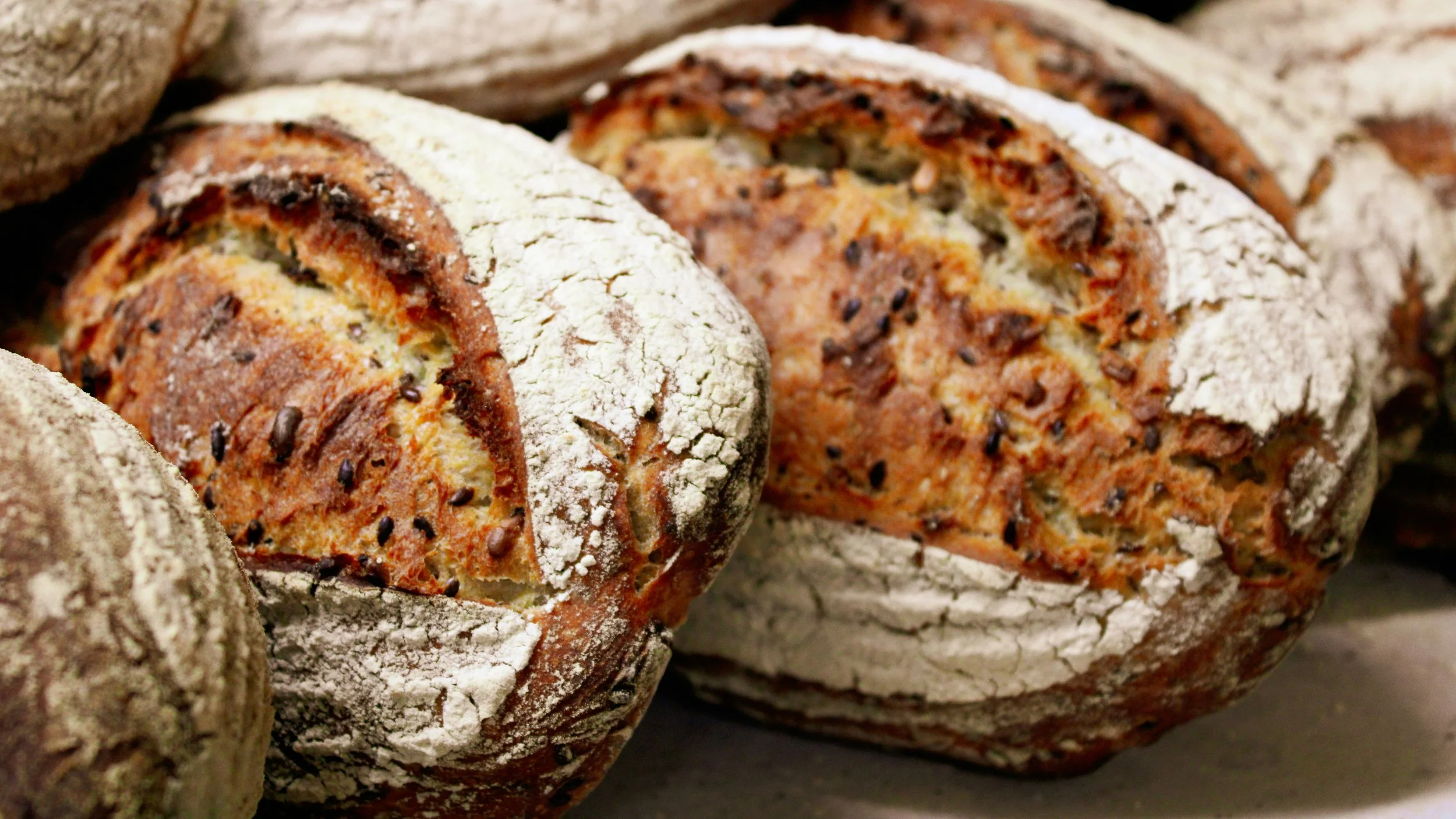
Baking schedules reflected preservation needs. Bread was prepared in quantities suited to household use, shaped by access to flour, fuel, and time. Dough-based foods could be prepared in advance and reused across meals. Preservation supported predictable routines during winter.
Pantries and cellars functioned as household infrastructure. Stored food represented labour already completed and carried forward, organizing access to food through long winters.
Ukrainian Foods Commonly Found in Canada
Perogies (varenyky) – dumplings filled with potato, cheese, cabbage, or fruit
Borscht – beet-based soup prepared with variations by household and region
Cabbage rolls (holubtsi) – cabbage leaves filled with grain and meat mixtures
Kielbasa (kovbasa) – smoked or fresh sausage made with pork or beef
Nalysnyky – thin crepes filled with cheese or other fillings and baked
Paska – enriched bread traditionally prepared for Easter
Babky / Babka – baked goods ranging from savoury loaves to sweet breads
Syrnyky – fried cheese pancakes made from cottage or farmer cheese
Pickled vegetables – including cucumbers, beets, and cabbage
Pork and potato dishes – prepared in stews, roasts, and pan-cooked forms
Dumplings, Dough, and Durability
Perogies as Practical Food
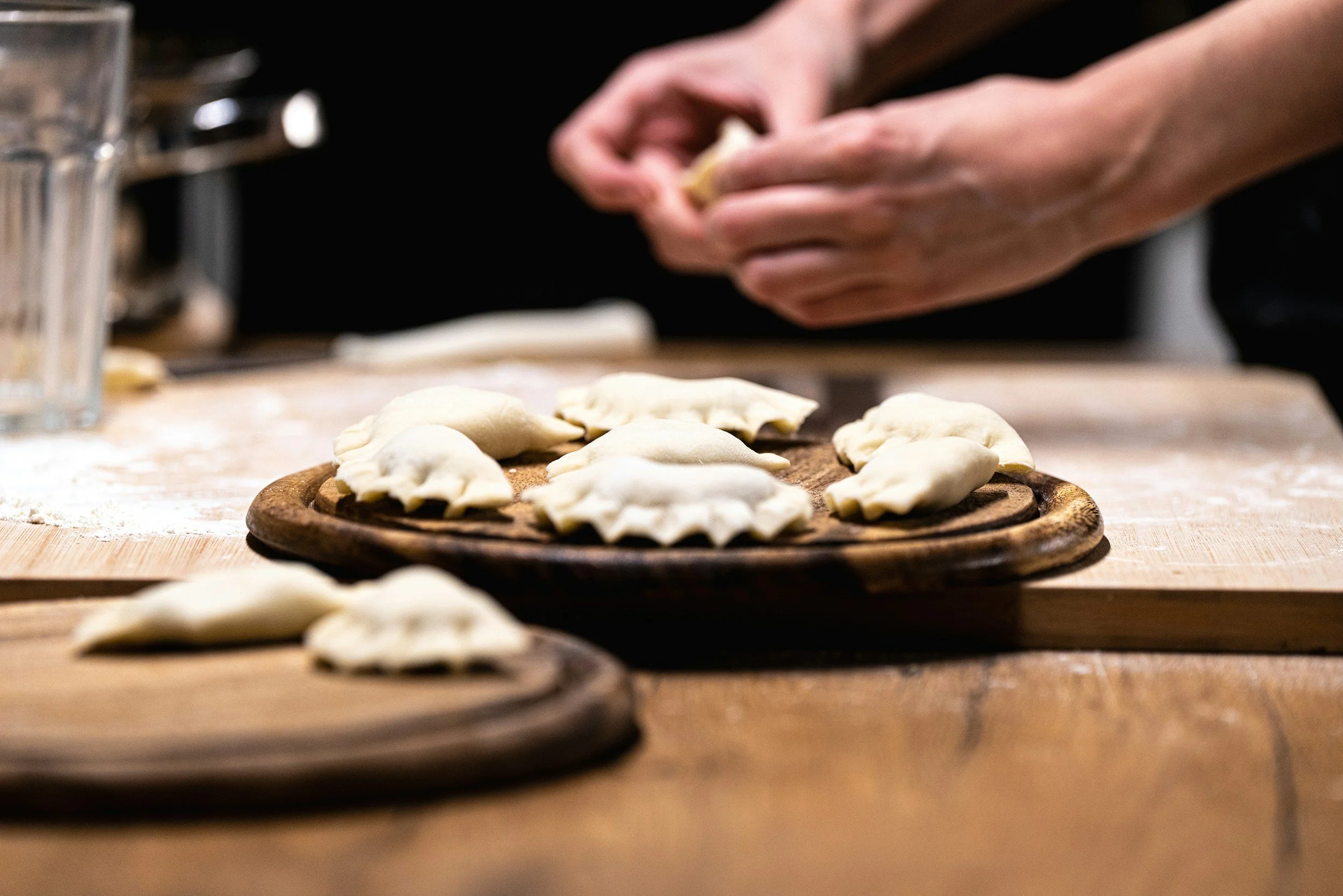
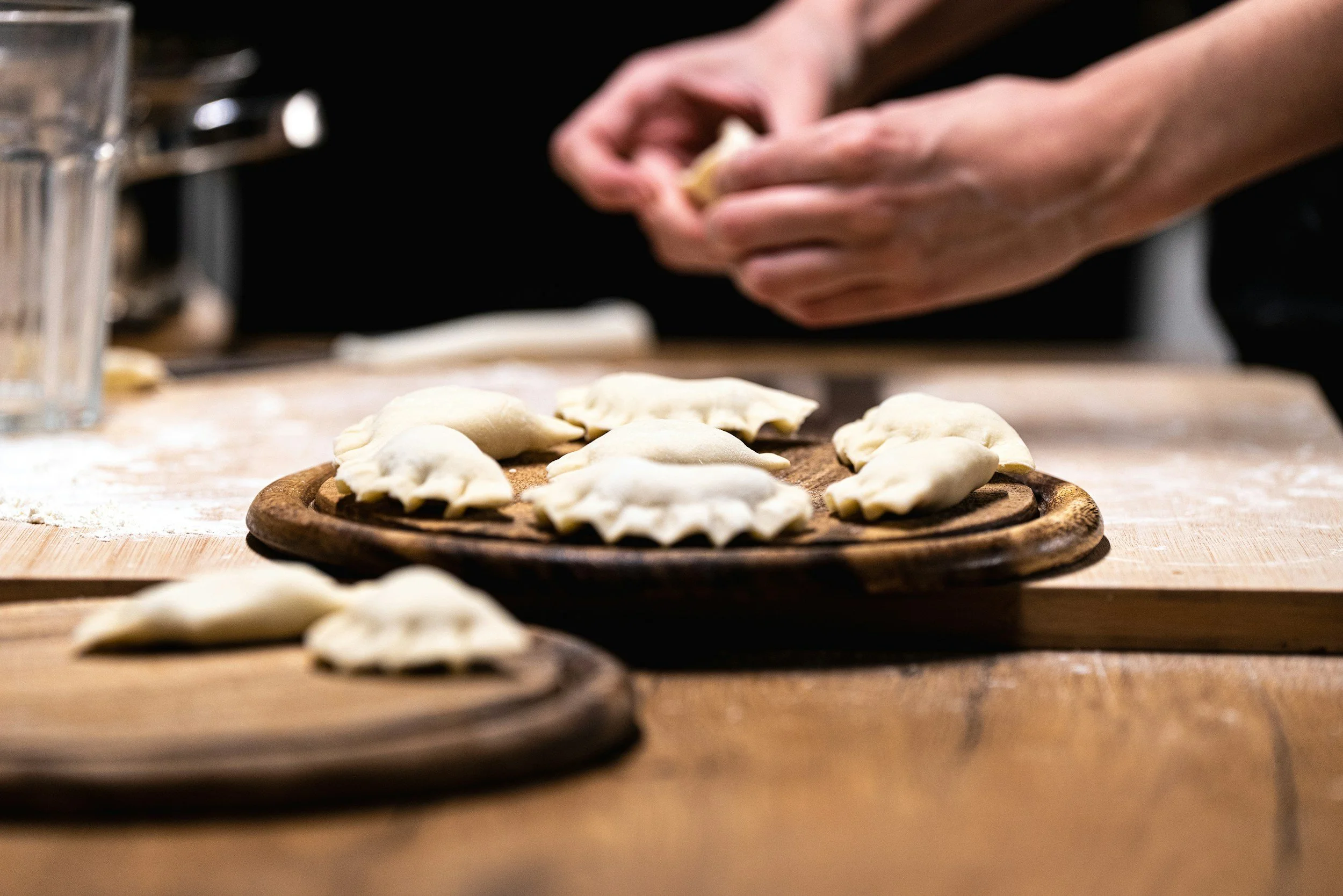
Dough-based foods formed a steady part of Ukrainian prairie cooking. Perogies fit within these systems through ingredients that stored well and preparation methods suited to batch cooking. Broader connections between immigration and food traditions are explored by the Canadian Museum of History.
Fillings reflected season and access. Potatoes, cottage cheese, cabbage, and onions appeared frequently, drawn from gardens, dairy work, and stored foods. Preparation often took place in batches, allowing perogies to be cooked, stored, and reused across meals.
Perogies moved easily between contexts. They were served at home, shared with neighbours, and prepared for community gatherings. Their form supported repetition with variation, aligning with household food systems shaped by endurance and reuse.
Within prairie kitchens, perogies functioned as practical food. They connected grain use, preservation, and seasonal planning into a single dish tied to climate, labour, and continuity.
Community, Church, and Collective Cooking
Food Beyond the Household
Food preparation extended beyond individual households into shared spaces shaped by community life. Churches, halls, and gathering places supported collective cooking tied to seasonal events, religious observances, and communal work. The cultural role of churches within Ukrainian Canadian communities is documented by the Ukrainian Orthodox Church of Canada.
Collective cooking distributed labour across many hands. Tasks such as dough preparation, filling, shaping, and cooking were shared among family members and neighbours. This structure supported large quantities of food suited to gatherings and fundraising meals.
Church kitchens functioned as centres of coordination. Meals prepared there supported community events and created opportunities for exchanging recipes, techniques, and ingredients. Food circulated alongside shared work and conversation.
These collective practices supported connection across distance and isolation common to prairie settlement. Food prepared together reinforced relationships and sustained continuity across seasons.
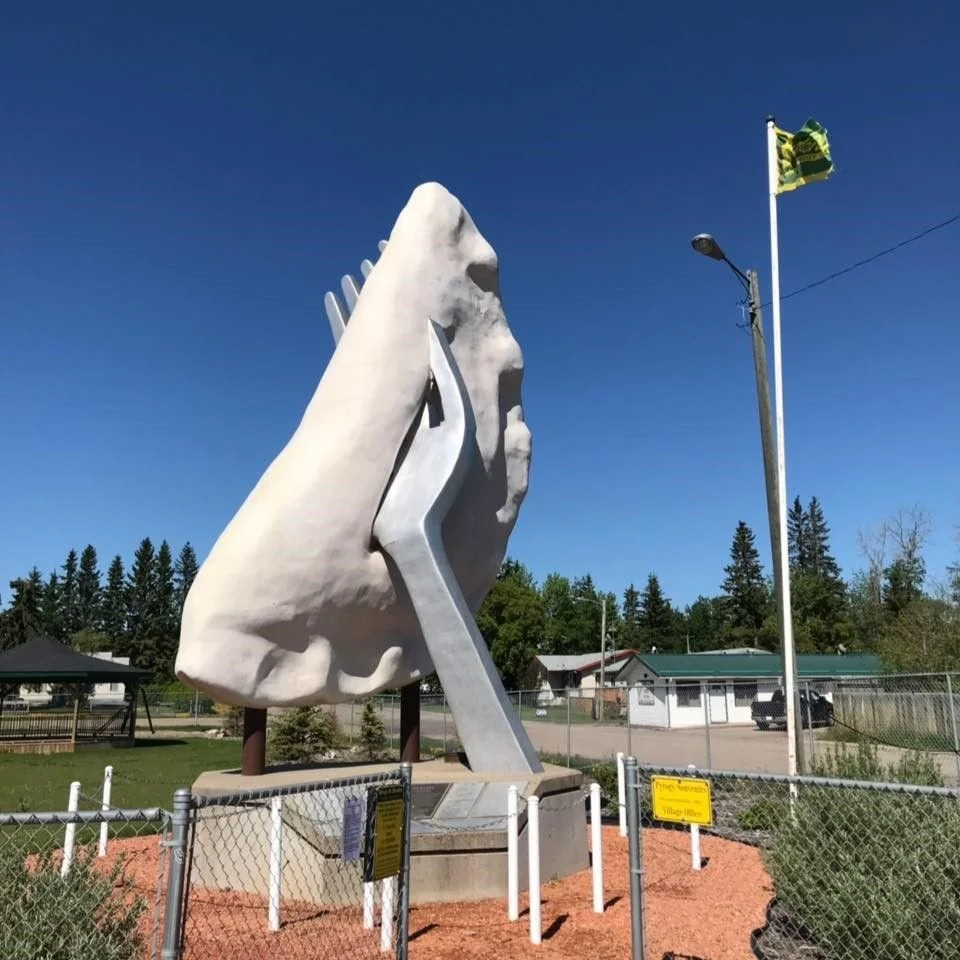
The world’s largest perogy lives in Glendon, Alberta and is 27 feet high and 6,000 lbs
Regional Markers and Public Memory
Food as Place Memory
Ukrainian settlement left visible traces across the prairie landscape. Towns, churches, halls, and roadside markers reflect patterns of migration and community formation. Food traditions moved from household practice into public space, where they became shared reference points.
Public representations of food often draw on familiar dishes associated with community identity. These markers signal presence and continuity rather than individual household practice.
In Alberta, the World’s Largest Perogy functions as one such marker. Its visibility links a common household food to place memory, situating Ukrainian settlement history within the public landscape.
These markers exist alongside daily food preparation. They reference foodways shaped by labour, season, and migration while locating community history within shared space.
Change, Continuity, and Adaptation
Shifts Across Generations
Ukrainian prairie foodways continued across generations through adjustment and reuse. Ingredients, tools, and time available for cooking changed as household structures and work patterns shifted.
Store-bought ingredients joined home production. Some preparation moved from routine practice to seasonal or event-based occasions. Recipes circulated through memory, notes, and community cookbooks, supporting continuity of form.
Preparation adapted to new kitchens and schedules. Freezers extended storage options. Community events concentrated labour into fewer occasions. These changes shaped frequency and context of preparation while maintaining connection to shared meals.
Ukrainian Food Heritage and the Prairie Landscape
Ukrainian food heritage on the prairies developed in close relationship with land use and agricultural practice. Farming shaped daily diets, while climate and soil influenced which crops and livestock supported household food systems.
Grain supported bread, dumplings, and baked goods prepared according to household schedules and fuel access. Dairy work connected livestock care to daily food use. Gardens supplemented these staples during the growing season, while storage carried them into winter.
Food practices reflected adaptation to place over time. Ingredients familiar from earlier settlement were prepared using methods suited to Prairie conditions. Seasonal planning aligned food use with planting, harvest, and preservation cycles shaped by winter.
Food as a Living Record
Ukrainian food heritage on the Prairies continues through daily preparation, seasonal planning, and shared meals. Food practices shaped by migration, settlement, and farming remain present in household routines and community spaces.
Meals prepared from stored ingredients and preserved foods link present-day kitchens to earlier settlement patterns. Preparation reflects work completed across seasons, shaped by climate and access to land.
Taken together, these foodways function as living records. They carry evidence of migration history, agricultural labour, and adaptation to Prairie conditions, grounded in season, place, and everyday work.
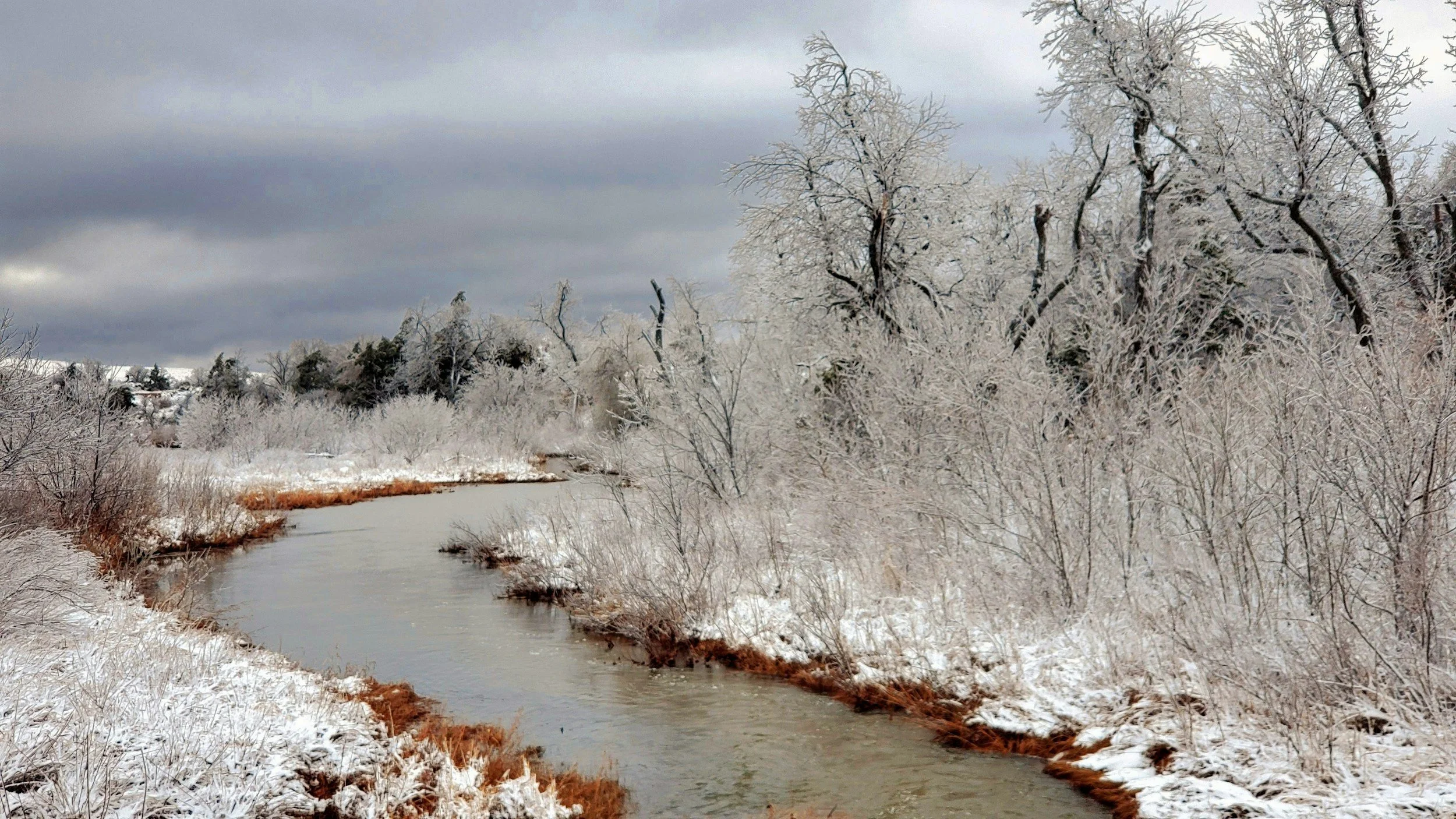


Haskaps have long histories across northern regions, including the Canadian prairies. Knowledge of these early berries varies by place, Nation, and seasonal practice, shaped through observation, gathering, and use over time. Indigenous knowledge systems form the foundation of how haskaps have been understood, named, and used within broader food landscapes, a principle reflected in Indigenous-led research and knowledge-sharing initiatives such as the Canadian Indigenous Knowledge Network.