

Haskaps on the Canadian prairies
Early Berries, Indigenous Knowledge, and Prairie Foraging
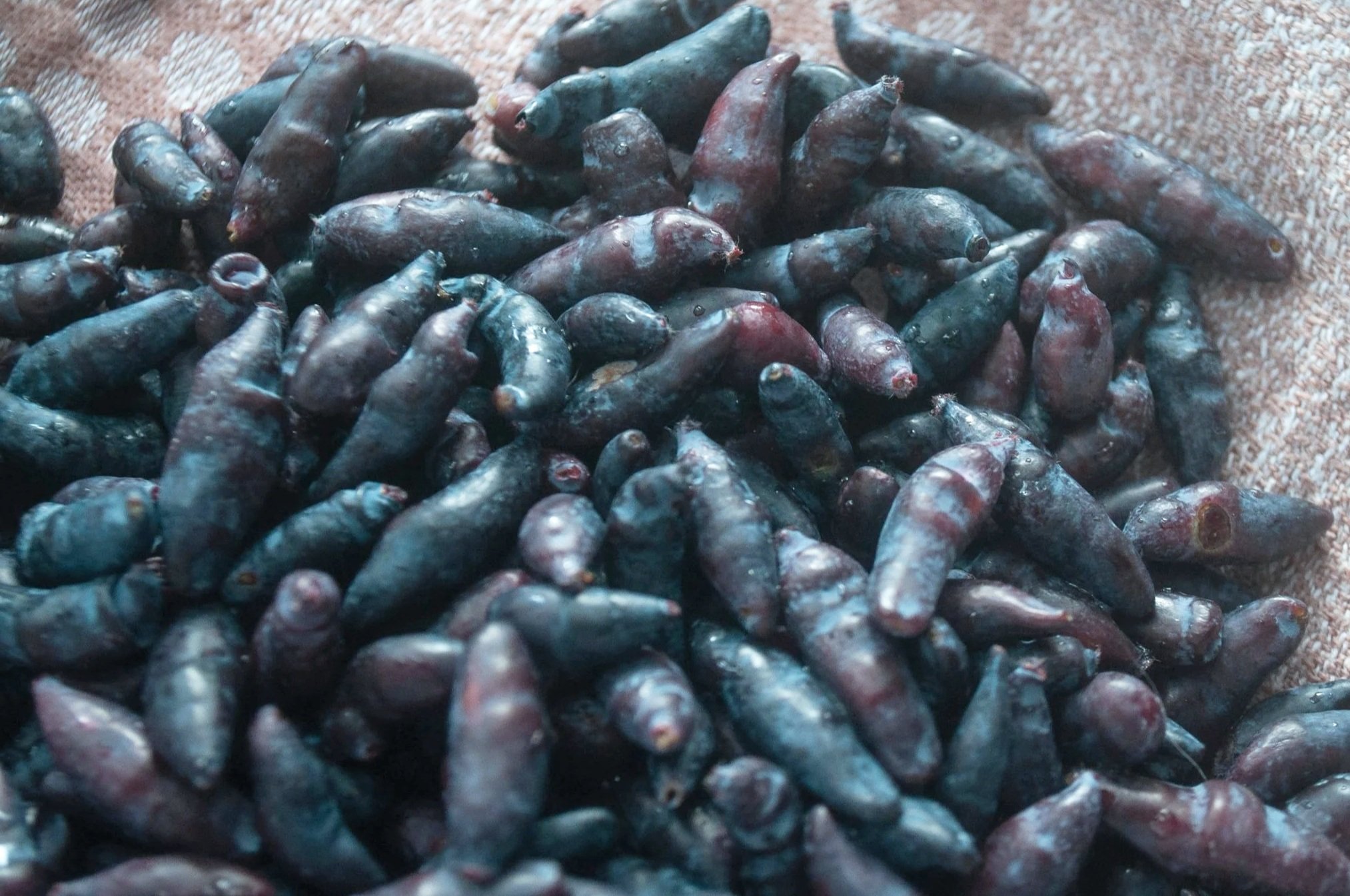
Haskaps have long histories across northern regions, including the Canadian prairies. Knowledge of these early berries varies by place, Nation, and seasonal practice, shaped through observation, gathering, and use over time. Indigenous knowledge systems form the foundation of how haskaps have been understood, named, and used within broader food landscapes, a principle reflected in Indigenous-led research and knowledge-sharing initiatives such as the Canadian Indigenous Knowledge Network.
What follows is an overview rather than a complete account. Indigenous relationships to haskaps are specific and local, rooted in land-based knowledge held within individual Nations and communities. This article approaches haskaps as part of lived food systems rather than as a single tradition.
Recipes & Roots presents this material to situate haskaps within prairie food histories that include Indigenous use, early foraging, and seasonal awareness. Readers are encouraged to seek Nation-specific teachings, local knowledge holders, and Indigenous-led resources to deepen understanding of the plant and its uses in the places where they live.
An Early Prairie Berry
Haskaps are among the earliest berries to ripen in prairie and northern climates, a characteristic noted in Canadian botanical and historical reference sources such as the Canadian Encyclopedia. They appear in late spring, often before other fruiting plants begin to produce. This timing places them within a narrow seasonal window shaped by cold winters and short growing periods.
As an early food, haskaps occupy a specific place in seasonal cycles. Their arrival signals a shift from winter reliance on stored foods toward fresh gathering. Knowledge of when and where haskaps ripen reflects familiarity with local conditions, plant behaviour, and yearly variation.
The berry’s growth pattern aligns with environments shaped by cold tolerance. Haskaps thrive in regions with long winters and cool springs, making them well suited to prairie edges and northern landscapes. Their early ripening connects them to food systems organized around timing, observation, and readiness rather than abundance.
Indigenous Knowledge and Traditional Uses
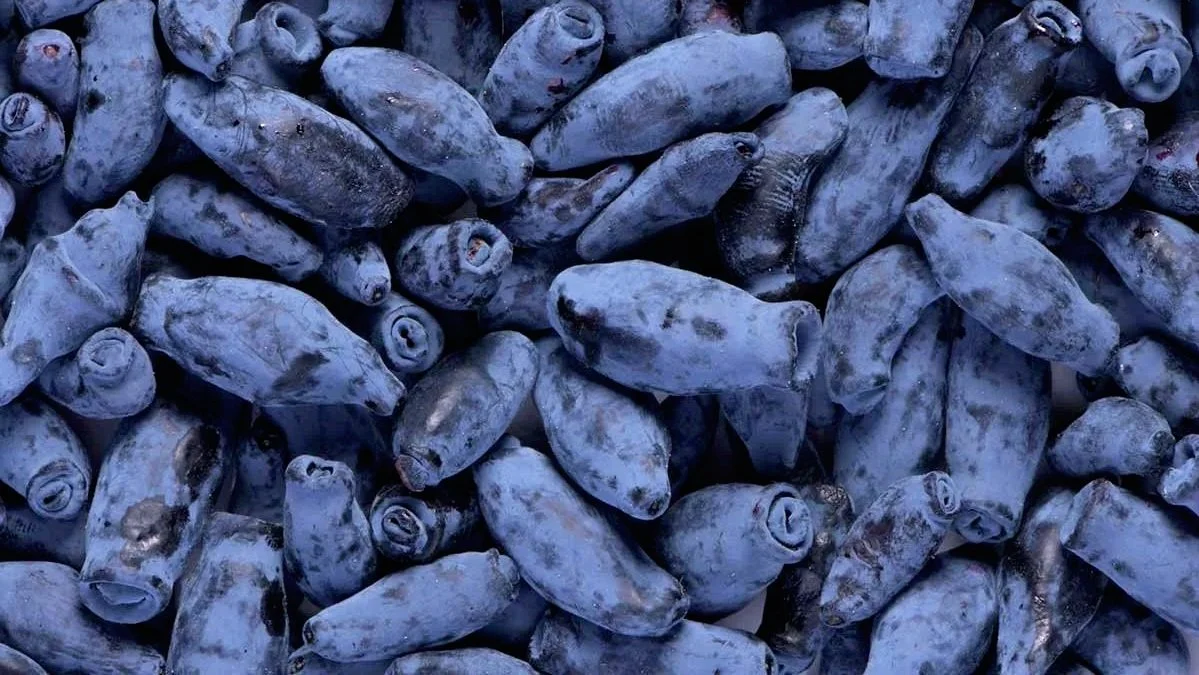
Indigenous peoples across northern regions have long gathered and used haskaps as part of seasonal food systems, a practice reflected in plant knowledge documented by organizations such as the Native Plant Society of Saskatchewan. Knowledge of the berry is embedded within broader land-based practices that include observing plant cycles, moving across territories, and gathering foods as they became available.
Haskaps were gathered fresh when ripe and consumed alongside other early-season foods. As one of the first berries to appear, they supplemented diets during a period when stored winter foods were still in use and other fresh plants were only beginning to emerge. Gathering aligned with spring movement within seasonal rounds.
Knowledge of haskaps included recognition of suitable growing areas, timing of ripening, and appropriate harvesting practices. This understanding was passed through direct experience, teaching, and observation. Uses of the berry were practical, tied to nourishment and seasonal continuity rather than surplus production.
Haskaps as an Early Foraging Plant
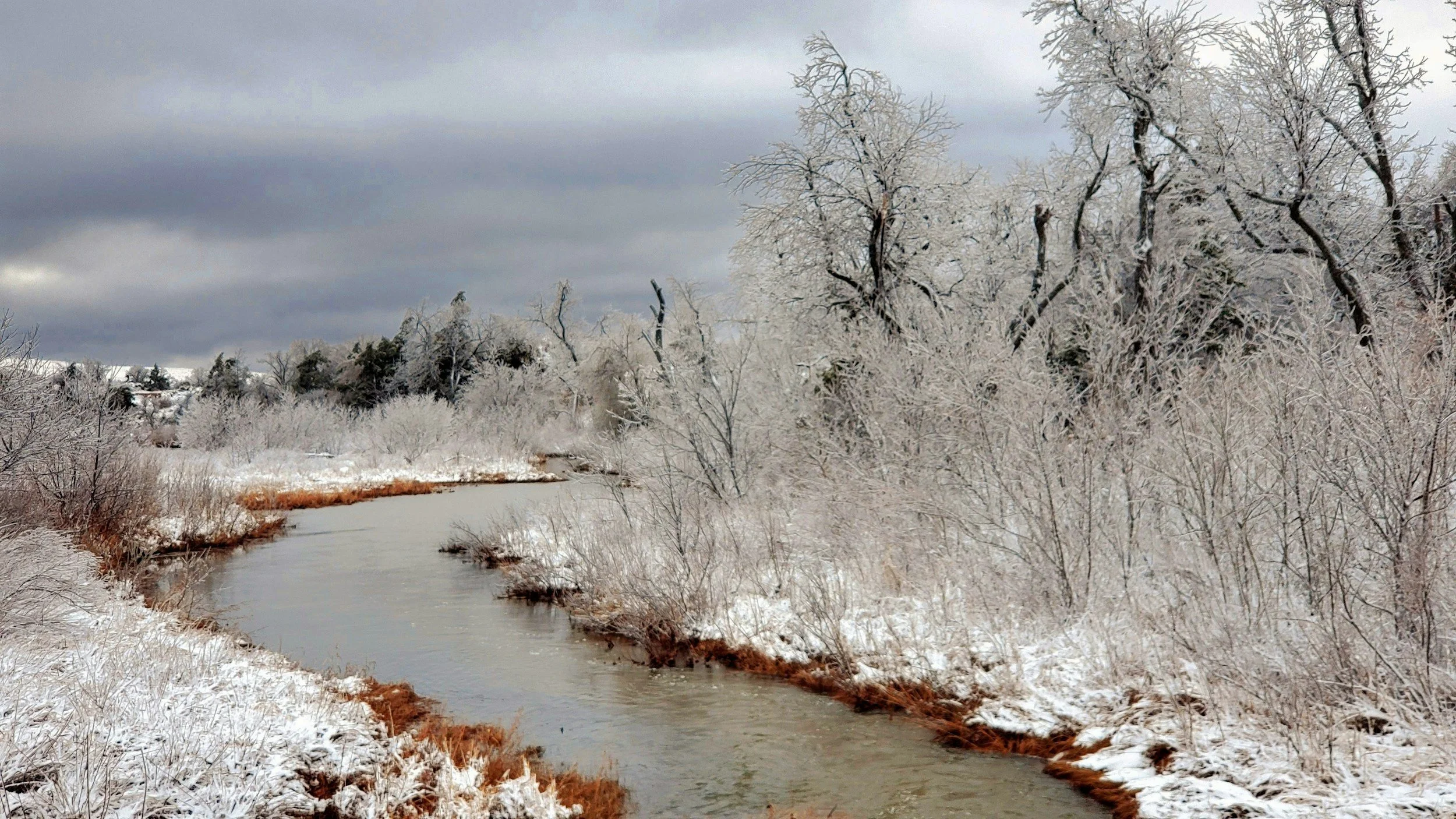
Haskaps grow in environments shaped by cold winters and early springs. On the prairies, they appear along forest edges, river corridors, and transitional landscapes where moisture and shelter support their growth. Provincial native plant resources, including those maintained by the Government of Alberta, situate haskaps within these broader ecological zones.
Foraging practices associated with haskaps relied on familiarity with specific sites and seasonal timing. Gathering took place as berries ripened, often over a short period. This required attention to changes in weather and plant development rather than fixed harvest schedules.
Haskaps were not generally gathered in large quantities for long-term storage. Their use aligned with immediate consumption and short-term nourishment, fitting within food systems that balanced fresh gathering with continued reliance on stored foods from earlier seasons.
Food Uses and Preparation
Haskaps were primarily consumed fresh at the time of gathering. Their early appearance meant they were eaten alongside other seasonal foods that required little preparation. This use aligned with their role as an early supplement rather than a preserved staple.
In some cases, haskaps were combined with other ingredients as part of broader food practices. Berries could be mixed with fats, added to prepared dishes, or eaten with other gathered foods. Preparation reflected immediacy and seasonal availability rather than preservation.
Because haskaps ripened early, they were not central to long-term storage systems in the same way as later fruits. Their contribution lay in providing fresh nourishment during a period when winter foods were still present and other plants had not yet matured.
Seasonal Timing and Environmental Knowledge
Knowledge of haskaps was tied to close attention to seasonal change. Ripening did not follow a fixed calendar date but was observed through weather patterns, soil conditions, and plant behaviour. This form of land-based knowledge is a focus of Indigenous scholarship and teaching within institutions such as the University of Alberta Faculty of Native Studies.
The appearance of haskaps coincided with other early seasonal shifts, including snowmelt and soil warming. These signs guided gathering activities and informed broader movement across land during spring.
Timing influenced how haskaps were used. Their brief availability encouraged gathering for immediate use and sharing. Knowledge of this narrow window supported careful attention to plant cycles and availability.
Prairie Adaptation and Contemporary Cultivation
In recent decades, haskaps have become more visible within prairie agriculture. Growers recognized the plant’s tolerance for cold winters and early springs, leading to expanded cultivation across the prairies. Agricultural research programs such as the University of Saskatchewan Fruit Program document this transition.
Contemporary cultivation responds to the same environmental factors that shaped earlier foraging use. Early ripening remains central, positioning haskaps within short growing seasons and early harvest periods.
As cultivation increased, haskaps entered farm markets, gardens, and community projects. Uses expanded to include preserves and processed foods, reflecting later-season storage practices while retaining the berry’s early timing.
Naming, Language, and Respectful Context
The name “haskap” is commonly used in English-language writing and agriculture, though it reflects one of several names associated with the plant across regions and languages. Indigenous Nations hold their own names and understandings of the berry, shaped by language, place, and use. Principles of respectful attribution are articulated by Indigenous-led organizations such as the First Nations Information Governance Centre.
Language shapes how food histories are framed and shared. When plants move into agricultural and commercial systems, naming often becomes standardized. Recognizing Indigenous naming and knowledge situates haskaps within longer food histories.
Haskaps in Prairie Food Memory
Haskaps appear in prairie food memory through foraging, home gardens, and community projects that emphasize early-season foods. These recollections are often tied to specific locations and brief harvesting periods.
In later periods, cultivation increased the berry’s presence in households. Preserves and baking extended use, while timing continued to mark seasonal change rather than abundance.
Within prairie food memory, haskaps connect early gathering traditions to contemporary practices, carrying forward knowledge rooted in observation and land-based experience.
Early Foods and Continuity
Haskaps hold a place within prairie food histories shaped by timing, observation, and Indigenous knowledge. Their early ripening links gathering practices to seasonal cycles that guided food use long before formal cultivation.
Across generations, haskaps continued through foraging, gardening, and farming. These practices differ in form while remaining shaped by environmental conditions. Knowledge persists through experience, attention, and shared memory.
Seen together, haskaps reflect continuity in prairie food systems, connecting early Indigenous use, foraging practices, and present-day cultivation through land, season, and care.



Haskaps have long histories across northern regions, including the Canadian prairies. Knowledge of these early berries varies by place, Nation, and seasonal practice, shaped through observation, gathering, and use over time. Indigenous knowledge systems form the foundation of how haskaps have been understood, named, and used within broader food landscapes, a principle reflected in Indigenous-led research and knowledge-sharing initiatives such as the Canadian Indigenous Knowledge Network.